A prominent dealer of new and used earthmoving equipment, with a history spanning over 85 years, has been instrumental in major infrastructure projects, including the construction of dams and highways. Currently, they operate a diverse fleet of SUVs, vans, and light to heavy-duty vehicles for sales, service, and transportation purposes. Seeking to move beyond the standard operations, the company set strategic goals focusing on improving safety excellence, increasing ROI through efficient vehicle cycling, reducing idle times, and controlling fuel expenditures.

Strategy: Comprehensive Fleet Assessment
In partnership with Wheels, the company adopted a philosophy of continuous improvement, guided by Annual Business Reviews. These reviews assess all aspects of the fleet and form the basis of the company’s fleet strategy for the upcoming year. Recent efforts have included leveraging technology to enhance fleet visibility, implementing driver policies and education, and introducing proactive reminders. Additionally, the company automated certain accounting processes to boost productivity.
Results: Tangible Gains in Efficiency and Productivity
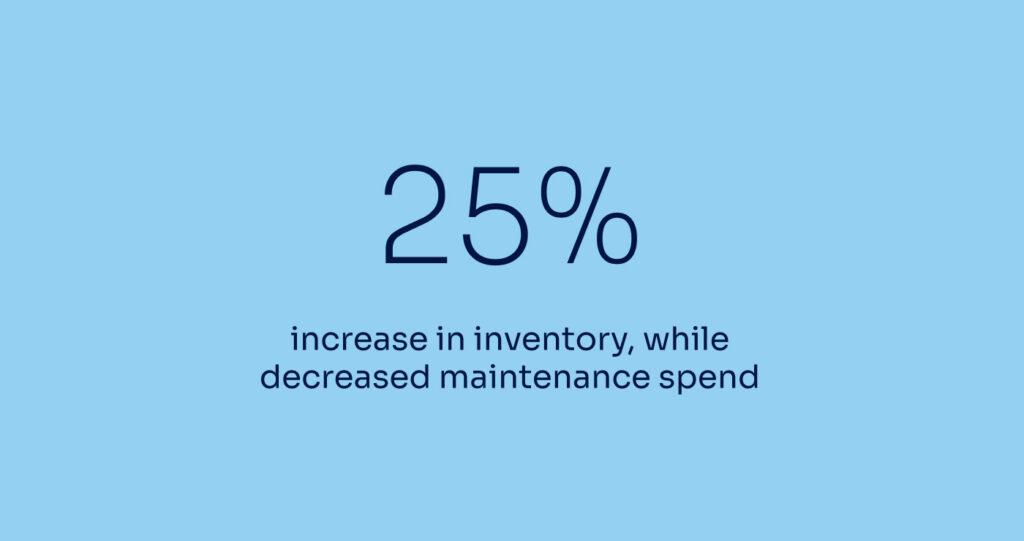
The company’s commitment to continuous improvement has yielded significant results. Their rate of underutilized vehicles has decreased to 2%, showing a year-over-year improvement of 1%. With 87% cycling compliance, the company has established a fixed replacement plan, leading to over $400k in resale credits and an average gain of $12k per vehicle sold.
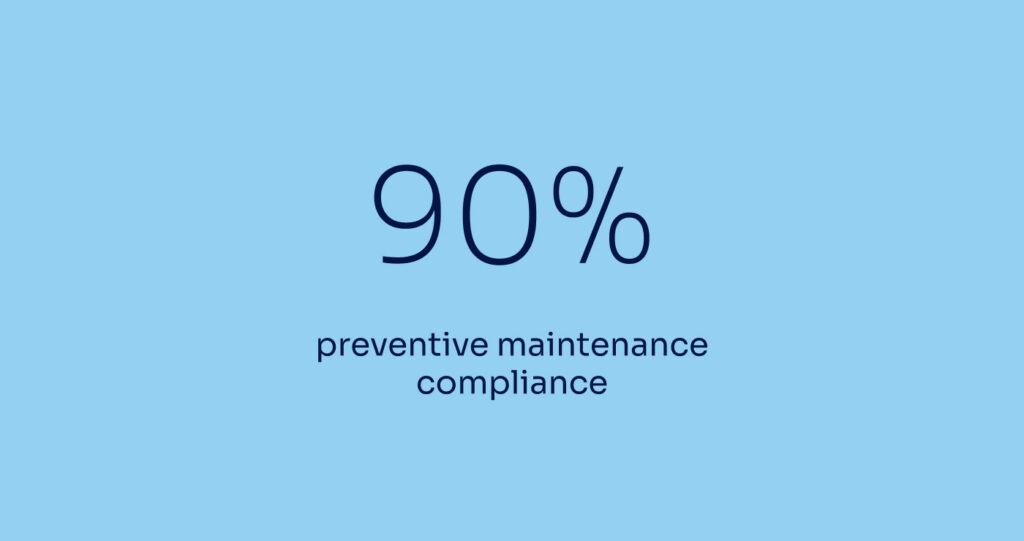
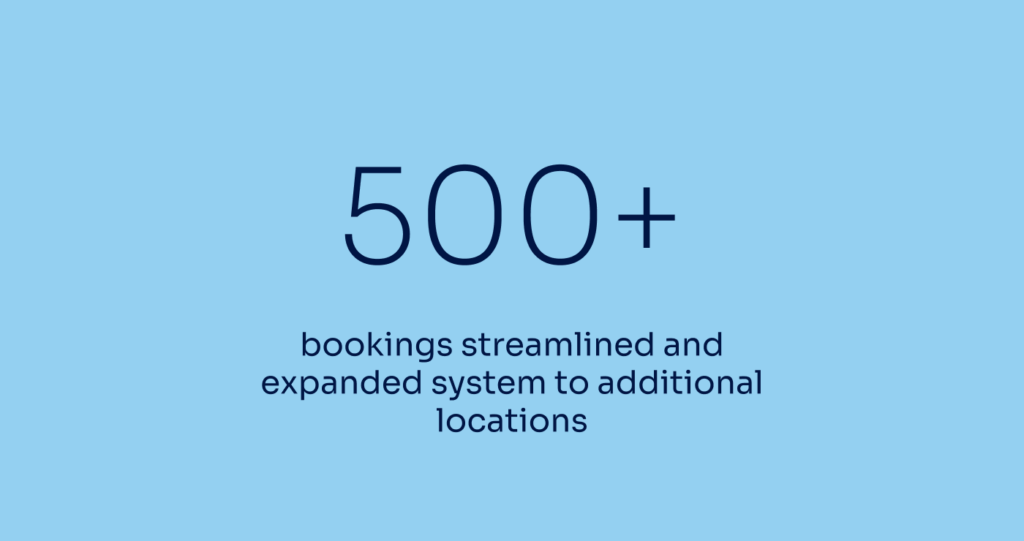
On the productivity front, the monthly billing process was streamlined through an automated API, saving numerous hours of work each month. Enhanced communication with drivers resulted in a year-over-year improvement of over 12% in preventative maintenance compliance and a 20% increase in network utilization. These improvements underscore the value of evolving towards full visibility and consolidation within the fleet management programs.