A leading North American provider of underground utility locating services managed a decentralized fleet of more than 14,000 vehicles. In April 2023, a new Vice President of Supply Chain & Fleet Management joined the organization with a clear mission: to centralize operations and implement stronger controls.
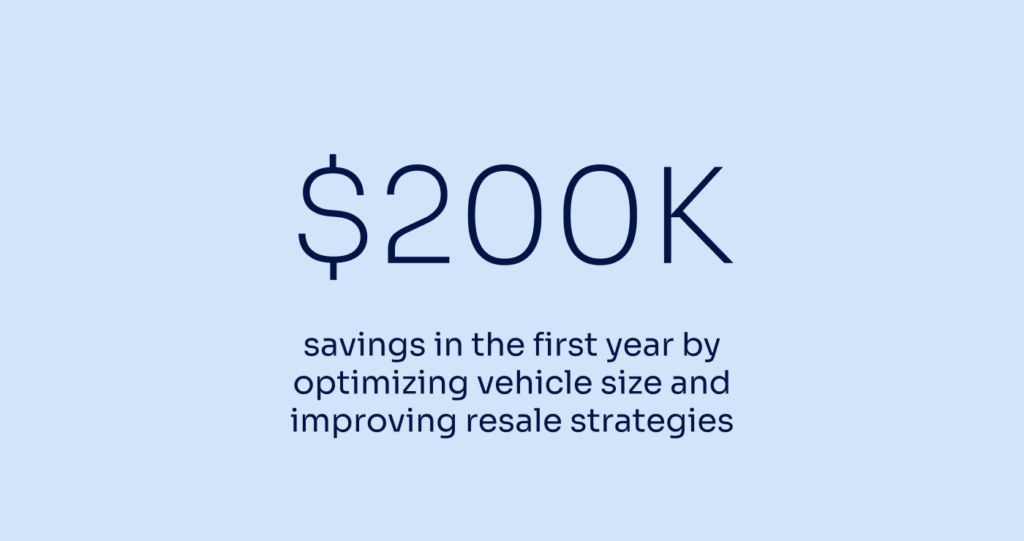
At that time, field operators were responsible for their local fleet operations, which led to reactive repairs, decentralized vehicle recycling and limited visibility into cost control measures. The fleet was aging, and there was an opportunity to build a best-in-class program. In July of 2024, the company’s fleet was ~$6 million unfavorable to their operating plan. After centralizing the fleet team in late June, the new CEO challenged the fleet group to transform operations into a savings opportunity. Guided by the COO, they delivered a swing of more than $20 million.
From fragmented to focused
The organization addressed its fleet inefficiencies by shifting from decentralized operations to a centralized model at headquarters, expanding its internal team to lead and support segmented regions. This move allowed standardized maintenance guidelines, developed with Wheels and OEM partners, to govern repair decisions and vehicle replacements across all areas.
To maximize purchasing power, they restructured its OEM relationships and introduced competitive sourcing that unlocked volume-based incentives and helped offset rising material costs, mitigating post-COVID material cost inflation. Introducing new model types into the fleet also delivered significant fuel savings and reduced capital costs.
Simultaneously, the company streamlined its vehicle lifecycle by adopting a consistent 60-month replacement term and remarketing older vehicles to better align fleet size with staffing needs and capture equity from aging assets.
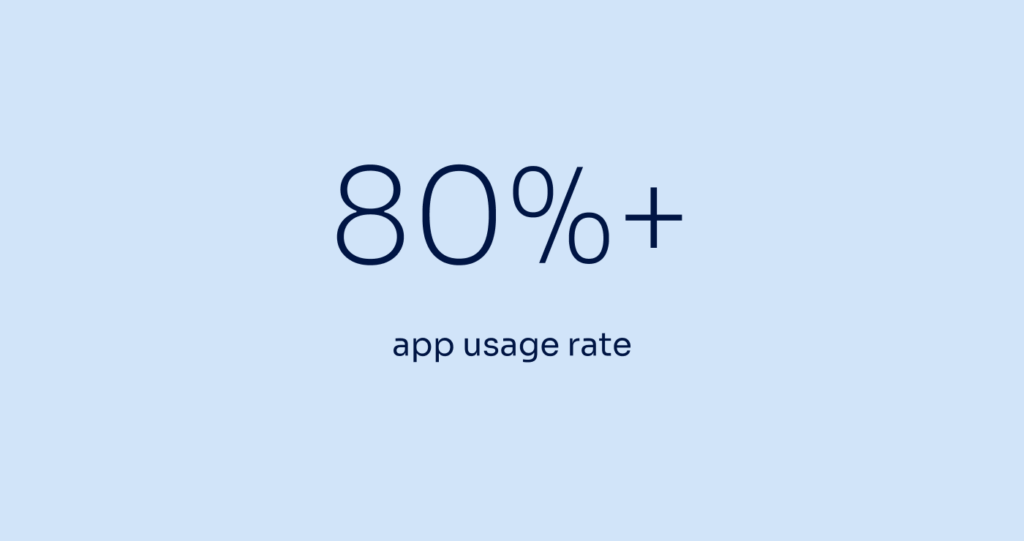
Advanced telematics and AI-powered driver cameras were deployed to monitor usage and enhance safety, supporting new safety policies that improved accident metrics and driver behavior.
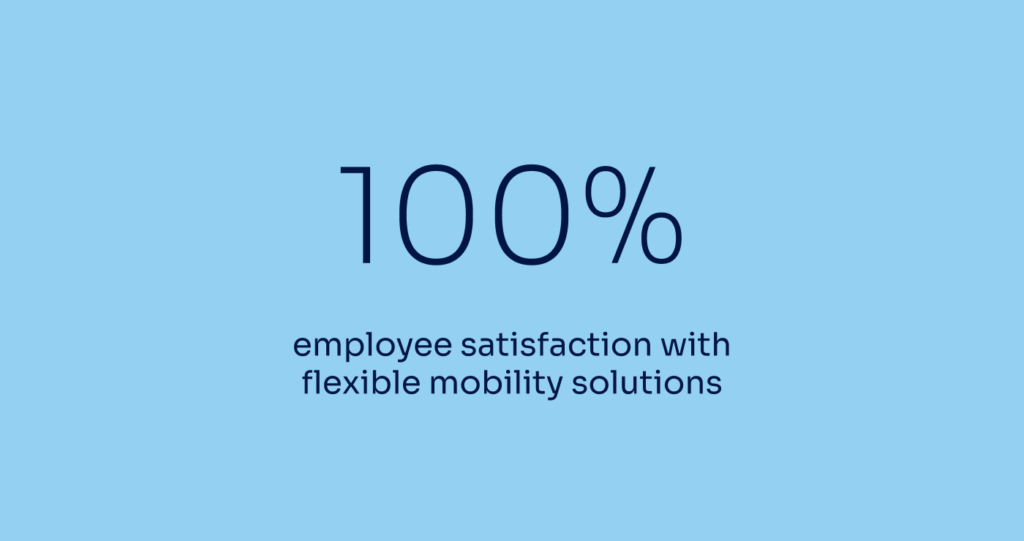
Crucially, the company embedded stakeholder engagement into every initiative through steering committees of field technicians, supervisors, finance leaders, and OEM partners. This collaborative approach guided implementation, gathered feedback, ensured buy-in, and fostered employee engagement that now drives organization-wide change alongside the central fleet team.
From deficit to success
By partnering closely with Wheels, OEMs and field experts, this client redesigned its fleet through coordinated centralization, data-driven controls and transparent stakeholder involvement. The result was strategic modernization, substantial operational savings, a safer fleet and platform capabilities ready for sustained growth.