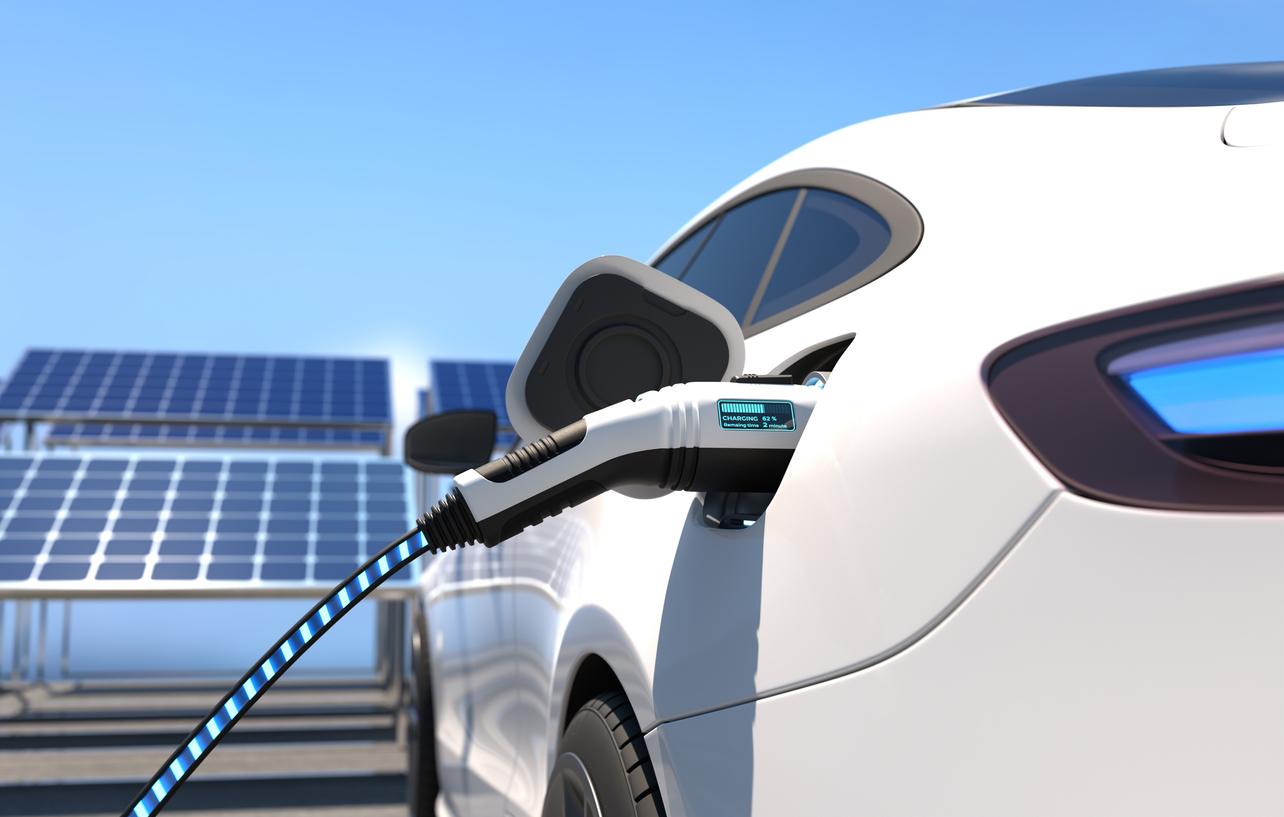
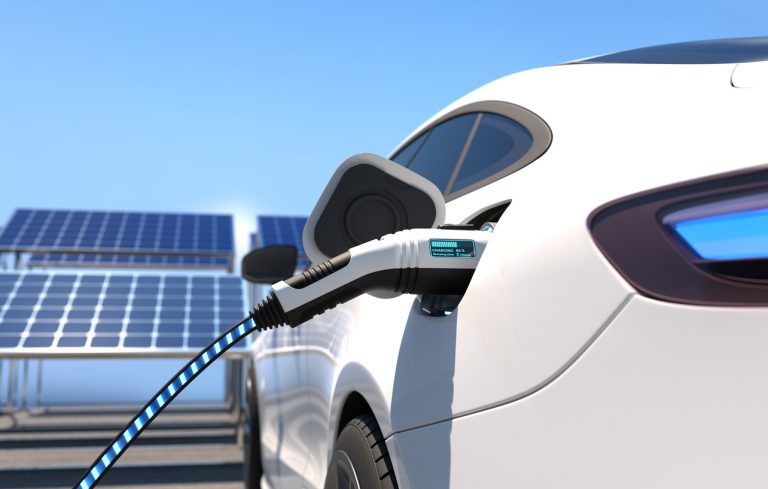
A global healthcare and pharmaceutical organization committed to addressing climate change, healthcare access, and disease prevention set ambitious goals to achieve carbon neutrality by 2025 and become carbon negative by 2030. Its fleet-specific objective is to transition to 100% electric vehicles (EVs) by 2025, aiming for a 32% EV fleet by 2023 while maintaining driver efficiency.
Strategy: Driver Change Management
The company’s EV Task Force collaborated with Wheels to conduct an EV driver readiness analysis. This analysis identified vehicle choice as a top priority and considered factors like actual mileage, fueling data, and suitability for DC fast charger installations. Drivers were provided with an expanded range of vehicle options, comprehensive educational materials, and incentives for choosing cost-effective EVs. To achieve safety goals, the company appointed a dedicated safety officer and linked driver risk scores to compensation packages.
Results: Achievements in Sustainability and Safety
On track to meet the 2023 EV fleet goal, the organization is progressing towards its 2024 target of 70% EVs. By carefully balancing vehicle allocation and driver preferences, 98% of drivers were able to select their first-choice vehicle. Charger installation follow-ups have seen a 33% increase. Future orders will focus on converting 73% of the fleet that is currently hybrid.
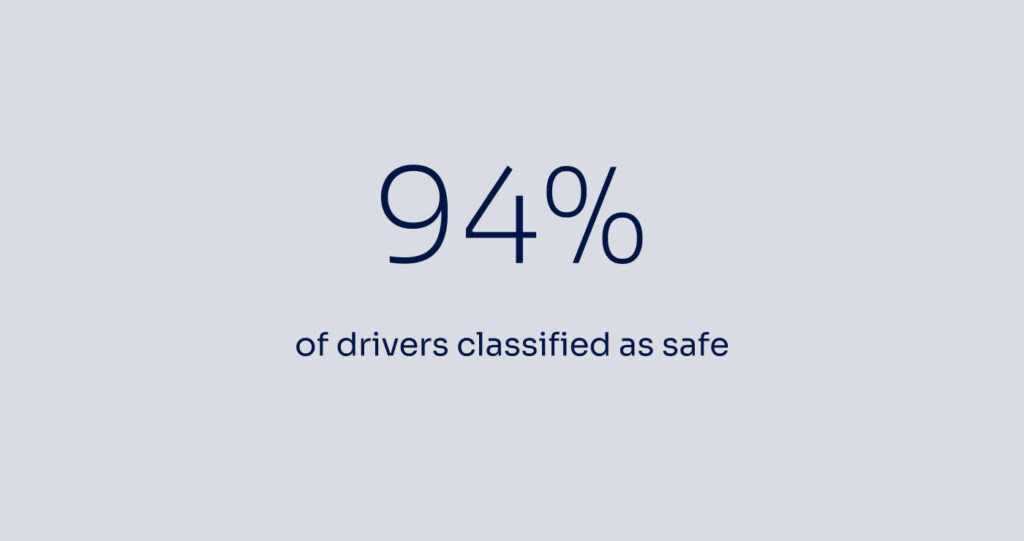
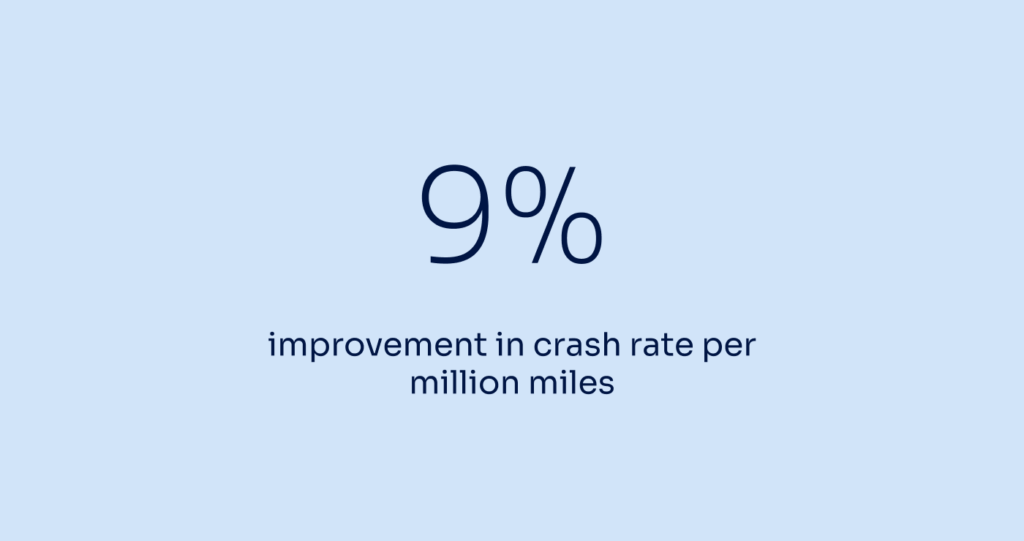
For the Safety Program, the company runs Motor Vehicle Records (MVRs) annually, with only 0.4% of drivers considered high-risk and 91% having clear MVRs. Comprehensive safety training, including Behind the Wheel and new driver training, is provided quarterly to all drivers, achieving a 96% completion rate. The company’s Cost Per Million Kilometers (CPMK) stands at 1.34. Fleet policies are updated annually, and drivers are required to review and acknowledge these policies online. With these improvements, the company is successfully meeting its sustainability and safety objectives.