Opportunity
Throughout years of delivering life-saving medications, this company business continued to grow — and with it, the company’s sales force and vehicle fleet. That growth led to many costly rentals to fill sudden vehicle needs, both for new hires and for repairs or accidents. It sought to bring those costs under control.
Strategy
Many rental scenarios are emergencies at the time, but Wheels recognized from experience they are not unforeseeable. For new hires, Wheels Vehicle Inventory Management was implemented to put drivers in vehicles faster and at lower cost. Often this meant redeploying surplus vehicles sitting idle. The default choice of a rental and factory order was also weighed against the alternative of buying from dealer stock.
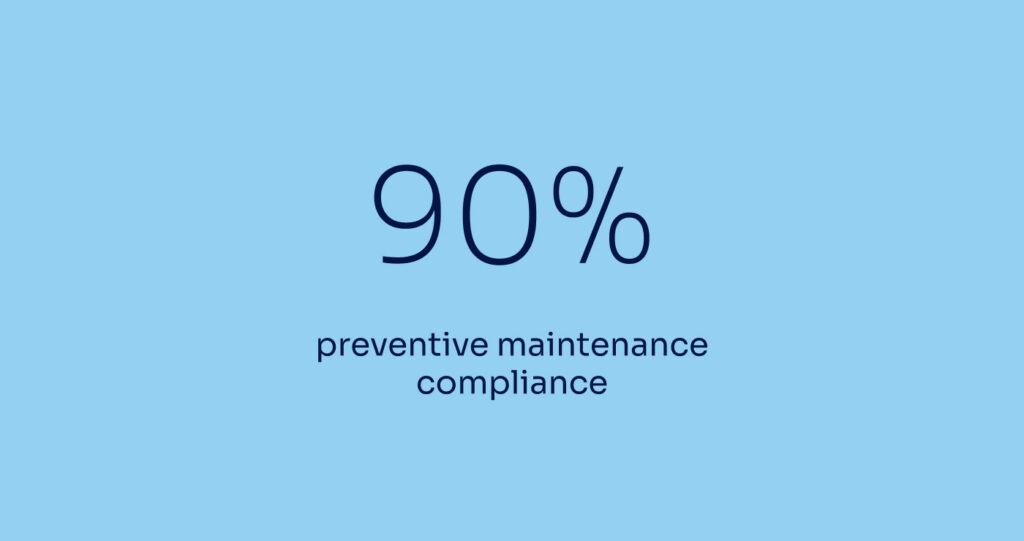
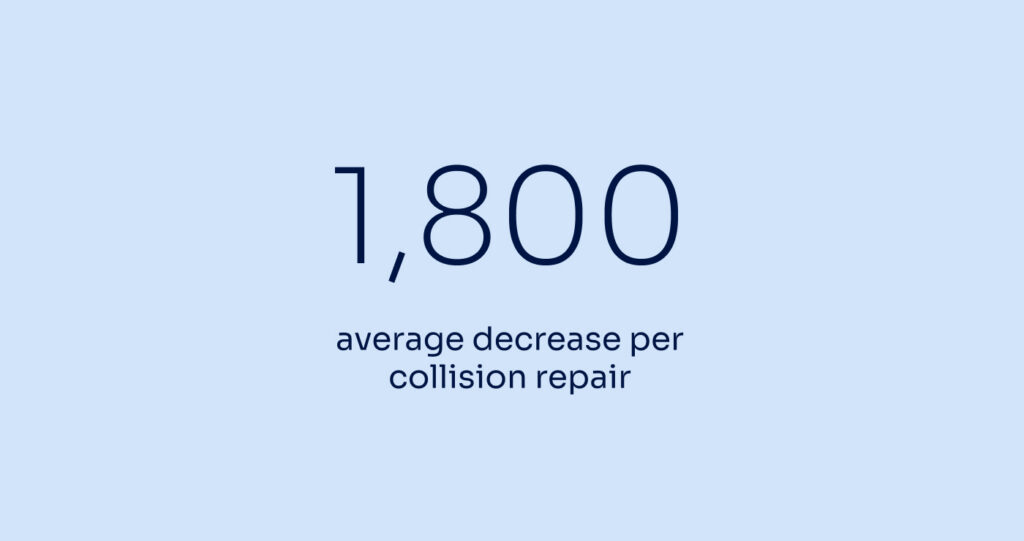
Wheels tracked rental days through an open rental report so they could be managed. For maintenance and collisions, Wheels began following up with shops on the repairs that were taking the longest, speeding their conclusion. For additional savings and to encourage accountability, it also instituted Wheels violation follow-up, holding drivers responsible for the cost of their violations.
Results+
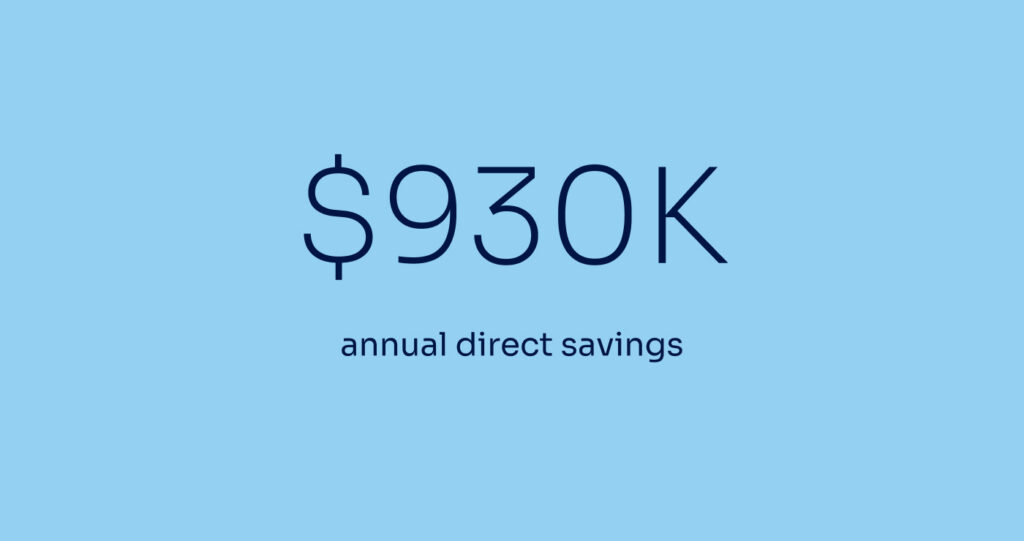
Attentive management of vehicle needs made rentals less necessary. In 2019, the fleet outperformed even its ambitious goal, slashing its total rental cost 35%. Duration of the average rental was shortened 13%. And violations follow-up collected 80% of drivers’ violation fees, contributing further savings.
This company will continue its upward trajectory with a firm plan in place for getting its new drivers on the road.