Shorter days, changing weather, and increased wildlife activity can create new driving hazards throughout the fall. For fleet managers, this is an opportunity to reinforce safe driving practices and help drivers prepare for seasonal conditions. Here are five important reminders to share with your drivers.
Slow Down and Increase Following Distance
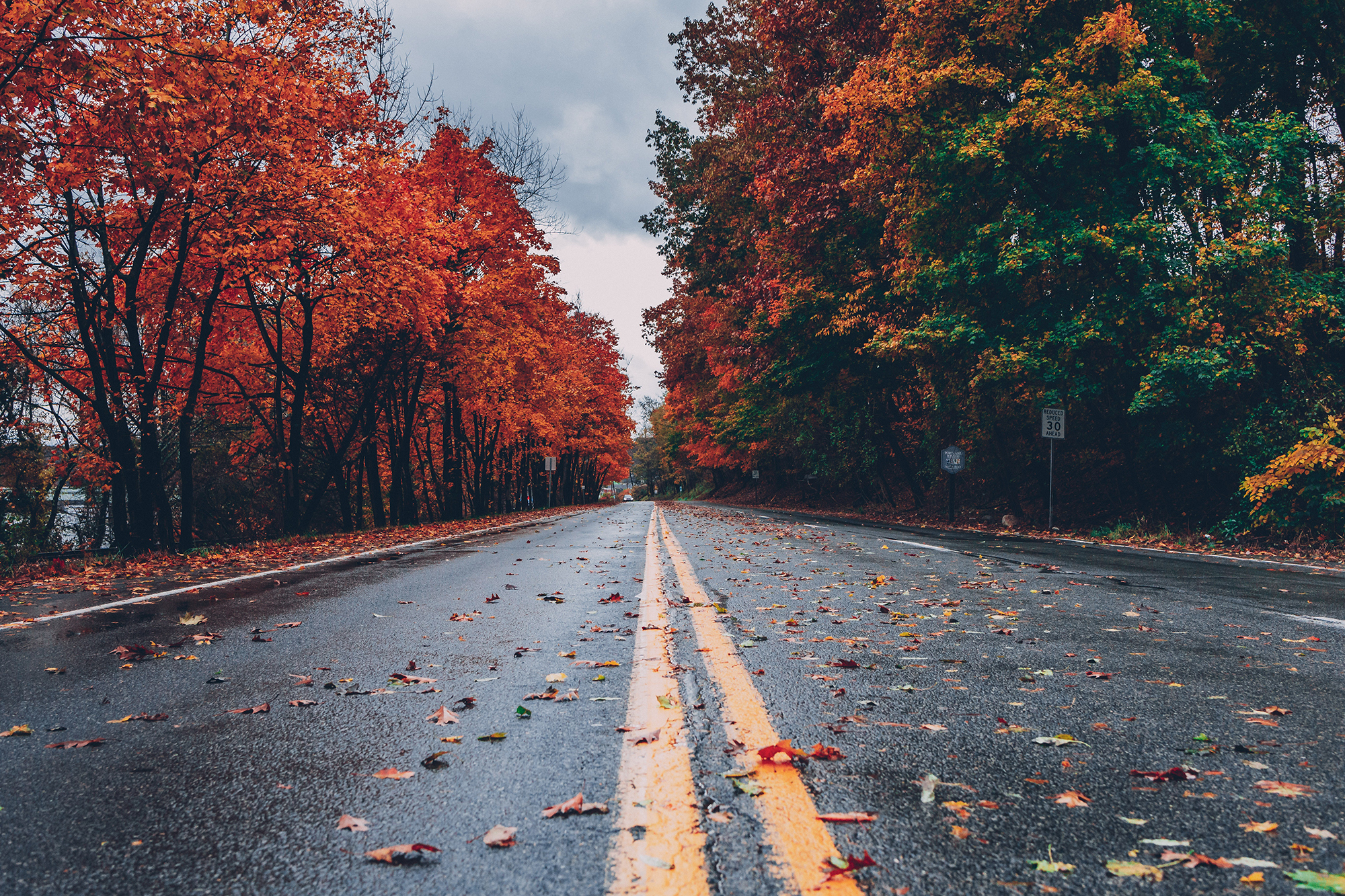
Rain, wet leaves, and early frost can make roads slippery, reducing traction and increasing stopping distances. According to SafeMotorist.com, hydroplaning occurs when water separates tires from the road surface, causing a loss of traction and control. Remind drivers to adjust their speed to road conditions, increase following distances, and avoid sudden braking or sharp turns. Wet leaves can also obscure lane markings and other road markers.
Use Extra Caution in Low Visibility
Shorter daylight hours, fog, and sun glare can make road hazards more difficult to see. Encourage drivers to use headlights appropriately, keep windows and mirrors clean, and take additional precautions when visibility is limited. When driving in fog, the National Weather Service recommends using low-beam headlights rather than high beams, which can create additional glare.
Watch for Pedestrians and Bicyclists
With schools in session and daylight hours growing shorter, drivers should be especially cautious around pedestrians and bicyclists. Remind drivers to scan intersections, crosswalks, school zones, and bus stops carefully, particularly during busy morning and evening commuting hours. Never assume pedestrians or bicyclists can see an approaching vehicle.
Watch for Deer and Other Wildlife
Deer are particularly active during the fall season, increasing the potential for collisions. According to the Insurance Institute for Highway Safety (IIHS), animal-strike insurance claims in November are more than twice the yearly average. Encourage drivers to watch roadsides, particularly around dawn and dusk, and exercise additional caution near wooded areas and wildlife crossing signs. If an animal enters the roadway and a collision is unavoidable, AAA recommends braking firmly and remaining in the lane rather than swerving.
Check Your Tires and Wipers
Falling temperatures can reduce tire pressure, while rain and frost increase demands on vehicle equipment. Encourage drivers to check tire pressure and tread regularly, replace worn windshield wipers, and promptly report maintenance concerns. The National Highway Traffic Safety Administration recommends checking tire pressure at least once a month, along with regular tread inspections. Fall brings predictable driving hazards, but proactive safety reminders can help drivers adjust to changing conditions. By reinforcing these five practices through driver communications and safety meetings, fleet managers can help reduce seasonal risks and protect their drivers and others on the road.
How to Share These Tips With Your Drivers
Our downloadable 5 Tips for Safer Fall Driving tip sheet makes it easy to reinforce these safety reminders with a quick-reference resource.