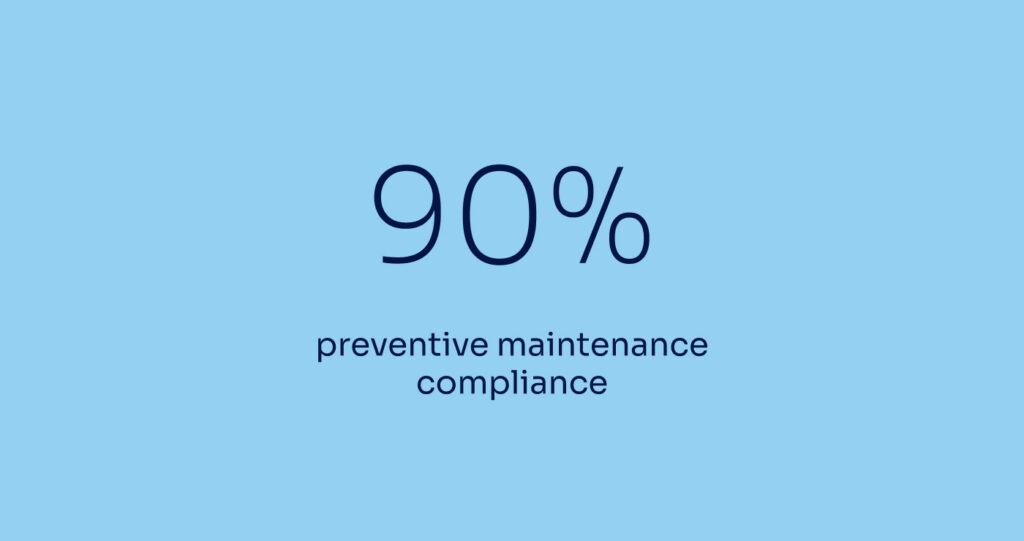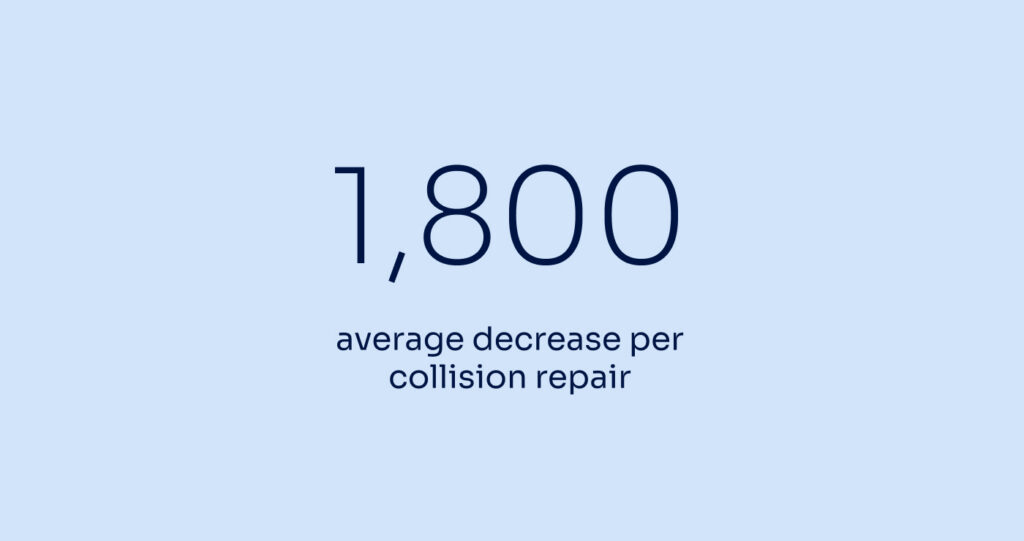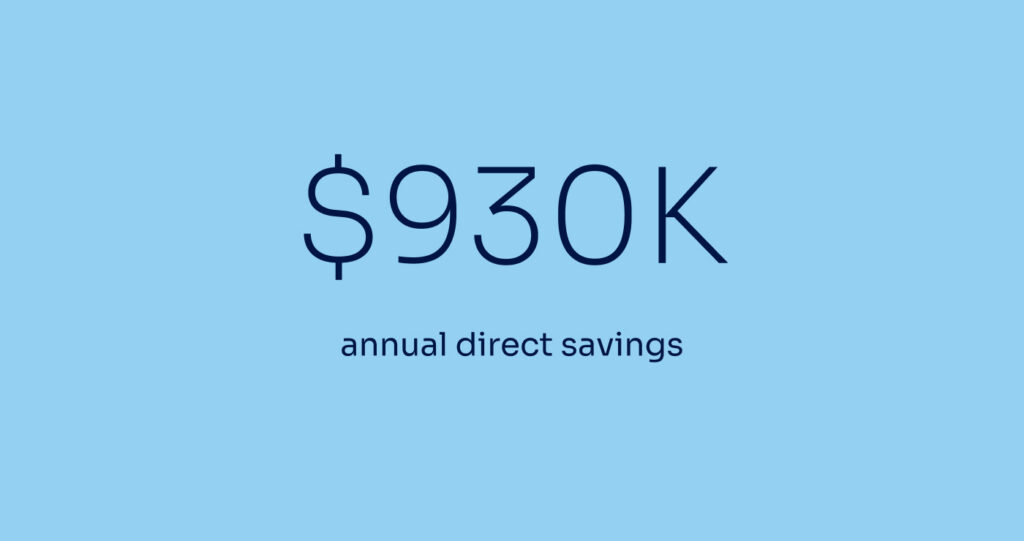
A leading global pest control service provider, serving 2.8 million commercial and residential customers, encountered significant challenges during a period of rapid growth. With vehicle supply chain issues, the company needed to revamp its vehicle acquisition strategy to enhance the flow of vehicles through the upfitting process. Additional operational challenges included managing vehicle address data, stagnating preventive maintenance service (PMS) compliance rates at 70% with increasing vehicle downtime and repairs due to catalytic converter thefts and replacement stockouts.
Strategy: Tackling Multiple Operational Improvements
The company-initiated process improvement teams, in collaboration with Wheels, focusing on the vehicle supply chain. With around 95% of their vehicles going through upfitters before delivery, they expanded from 2 upfitter sites to 6 to increase capacity and improve flow. They developed a new order-to-delivery process that involved identifying model demand, securing model allocations, determining the correct order paths for different brands, conducting pilot build inspections, and establishing status updates and dashboards for supply chain monitoring.
A comprehensive data project was also undertaken to identify and resolve defects at their root cause. Countermeasures included correcting job codes and establishing weekly updates for data transfer, crucial for delivering accurate preventive maintenance and vehicle registration information. These efforts significantly reduced time spent correcting wrong addresses, aligning service levels, and communicating low PM compliance rates, leading to overall operational improvements.
Results: Enhanced Fleet Efficiency and Reduced Issues
The efforts of the Continuous Improvement Project Team led to notable achievements. The standardization activities and increased upfitter capacity reduced the average time vehicles spent from upfitter to dealer by 32%. Automated contact updates improved from 54% to 100%, and Preventative Maintenance Service compliance increased by 15%. Also, the incidence of catalytic converter thefts decreased from 70 per month to less than 4. These improvements have positioned the company as a best-in-class operator for managing a large, complex branch fleet.