Opportunity
A leading biotechnology provider set a corporate goal to slash emissions throughout its operations. Part of that initiative, driven through its involvement in the EV100 initiative, is to convert its sales fleet of more than 1,300 vehicles to electric vehicles (EVs) by 2030, translating to an ambitious move toward vehicle electrification.
Strategy
It has already made enormous strides toward its company-wide objective, implementing electrification and solar energy onsite with electric buses, solar-powered charging stations and green-certified buildings on campus.
For the field, it transitioned to a combination of hybrid vehicles, plug-in hybrid electric vehicles (PHEV), and full battery-electric vehicles (BEV) until it’s possible for the entire fleet to operate solely on electricity. To make this changeover feasible, it is working with Wheels to build a solution that includes everything from vehicle acquisition to driver support.
The company has adjusted their overall fleet budget to achieve their long-term sustainability goals. To help offset, they follow a consistent replacement strategy of 36 months or 65,000 miles which helps keep their maintenance costs low and driver satisfaction high. Additionally, replacing vehicles quickly helps fast track their electrification goals.
Results+
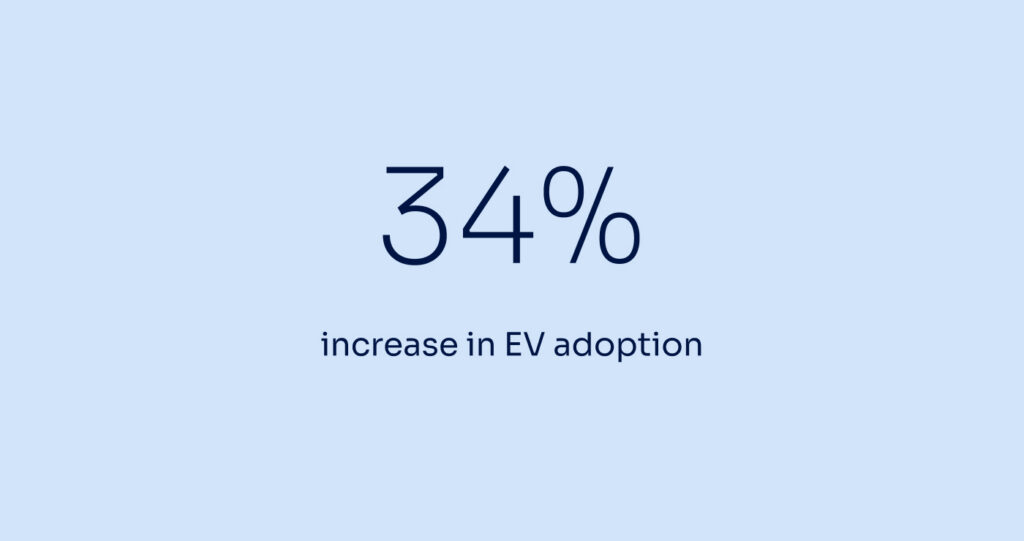
The company is well on their way to 100% fleet electrification; they now only select hybrid or fully electric vehicles as part of their optimal replacement strategy and have already converted 56% of their active fleet inventory.
Since January of 2010, the fleet’s fuel economy leapt 31%, from 22 to 29 MPG. That transformation drove a reduction of nearly 50% in CO2 emissions — a savings equivalent to planting over 30,000 trees.