Opportunity
An efficient fleet is a win-win for everyone. A global technology powerhouse sought to reduce its carbon footprint for the environment, capture cost reductions for itself and increase the support of its drivers — all at once.
Strategy
The fleet office began simplifying its vehicle selector and template creations, focusing on CO₂ emission optimization and the cost impacts of fuel-efficient vehicles. The fleet office also reviewed carbon outputs based on current and future replacement parameters, daily miles driven and proximity to public charging stations. The goal: Identify which vehicles to replace with fully electric vehicles once suitable models reach the market.
To ensure their sustainability goals wouldn’t negatively impact costs, it reevaluated upfitters through an RFP process. While hybrids have been part of the fleet for over 10 years, this updated EV roadmap provided further guidance in their journey to become carbon neutral by 2030.
During this time, it also launched Fleet Administration, which freed up the fleet managers from handling daily tactical items so they could instead focus on strategic initiatives. The Fleet Administration service ensured driver compliance to fleet policies in relation to maintaining their vehicles and keeping them legally compliant, and encouraged adoption of the Wheels Mobile Assistant app.
Results+
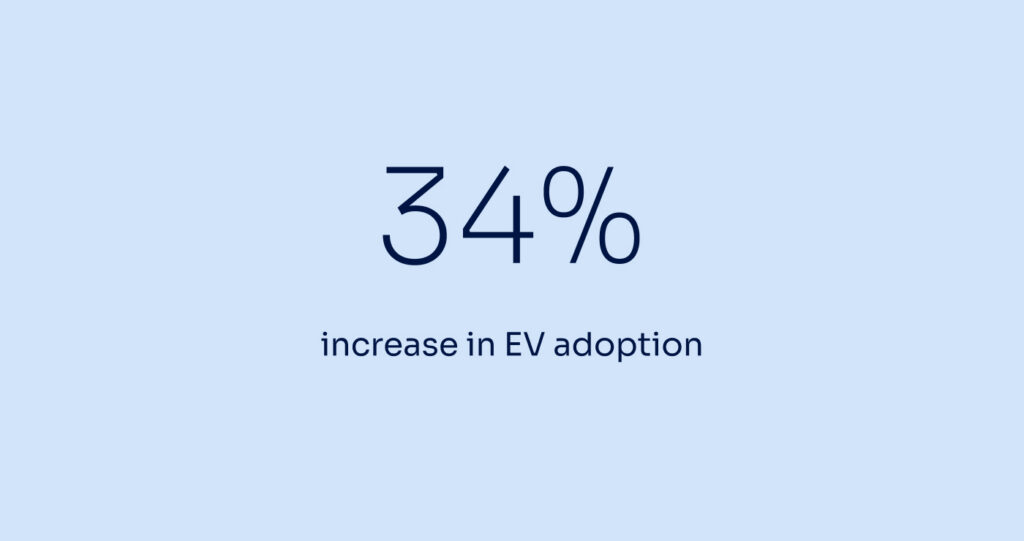
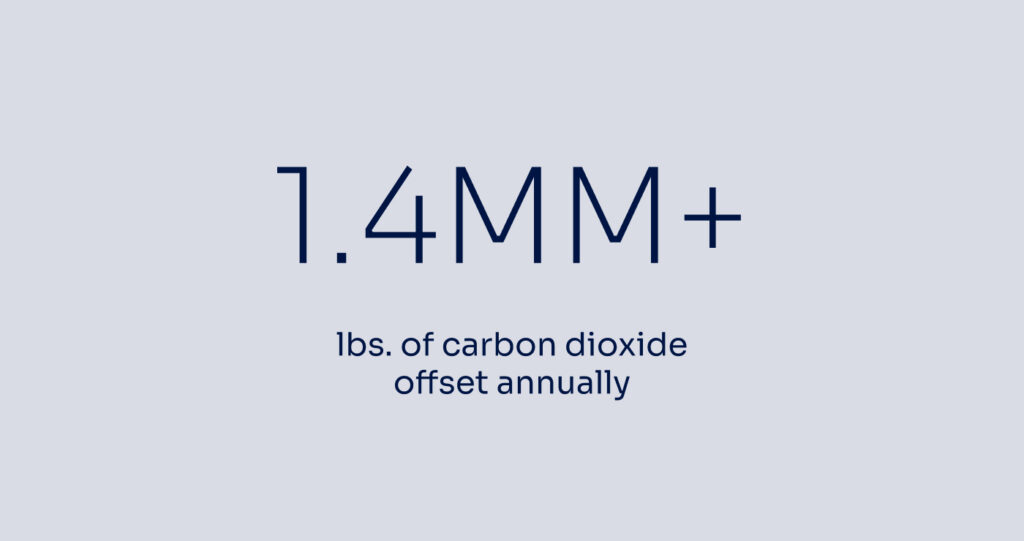
With the continued adoption of new, more fuel-efficient hybrids, it made a strong push toward its goals. From Sept. 2019 to 2020, its sustainability efforts yielded an 8.8% reduction in CO₂ emissions.
Through the upfitter RFP process, Wheels identified 20% potential savings for their commercial upfit vans. A variety of cost-cutting measures, including utilization, resulted in a 7.2% reduction in overall fleet costs.
Ultimately, through strategic planning and collaborative efforts, it achieved their goals and much more.