“At the time, I wasn’t being made aware of these incidents as quickly as I would have liked. I needed to take immediate action on these drivers by notifying their managers as well as HR or risk, given the situation.”
– Rosemary Times, U.S. fleet manager of sales operations
Opportunity
Rosemary Times, Celgene’s U.S. fleet manager of sales operations, had a proactive mindset. To keep internal stakeholder goals top of mind, she convened a fleet advisory panel made up of regional business managers, human resources, risk mitigation and legal. Among their priority topics was driver safety.
“As a dedicated fleet person, I enlightened them about how we could do things differently to keep our drivers safe and reduce risks,” said Rosemary. “A lot of their concerns were some of the same ones I had.” Celgene was taking advantage of Wheels’ safety program. It allowed drivers to undergo both online and behind-the-wheel training to proactively inform them of how to make safe decisions on the road. The program includes a comprehensive performance assessment of each driver that features collision data, training data, manager observations and driving records.
While the program provided a holistic view of driver behavior, Rosemary and Celgene’s fleet advisory board felt they weren’t notified soon enough of when a driver committed an infraction that appeared on their record.
“At the time, I wasn’t being made aware of these incidents as quickly as I would have liked,” said Rosemary. “I needed to take immediate action on these drivers by notifying their managers as well as HR or risk, given the situation.” Every January and June, Rosemary received a detailed driver history report generated from MVR checks. Not only was it a tedious task to comb through the driving records of 1,800 individuals— over 900 Celgene employees plus domestic partners—the six-month gap between tests meant she couldn’t respond immediately to the infractions.
Strategy
Wheels’ fleet consulting manager and associate product manager combed through historical collision and MVR data to determine a plan of action that would ease Rosemary’s administrative burden while still monitoring driver behavior.
The data revealed 20 to 30 drivers, with the most driving infractions, were of highest risk. Enrolling these individuals in the Wheels MVR Monitoring program provided a dual solution for the fleet. Continuous monitoring of this smaller population eliminated the need to review large reports of driver data while keeping a close eye on those with demonstrated instances of risky driving.
“We were having weekly meetings to inform me of the particulars of the enhanced program and how the data would now be collected,” said Rosemary. “I was also advised on the differences in cost and there was a big reduction as opposed to me running MVRs twice or three times a year.”
Wheels proactively notified drivers about the increase in MVR check frequency through a Wheels-authored and disseminated letter. Rosemary received a report out weekly of the high-risk drivers’ records, immediately alerting her of speed violations, suspended licenses, driving while under the influence and any other recorded offense.
Results+
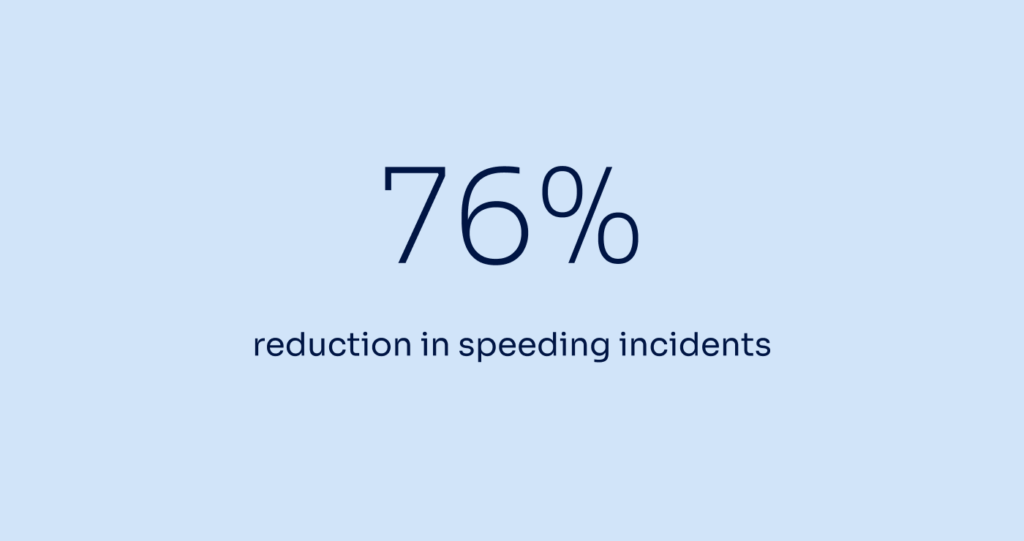
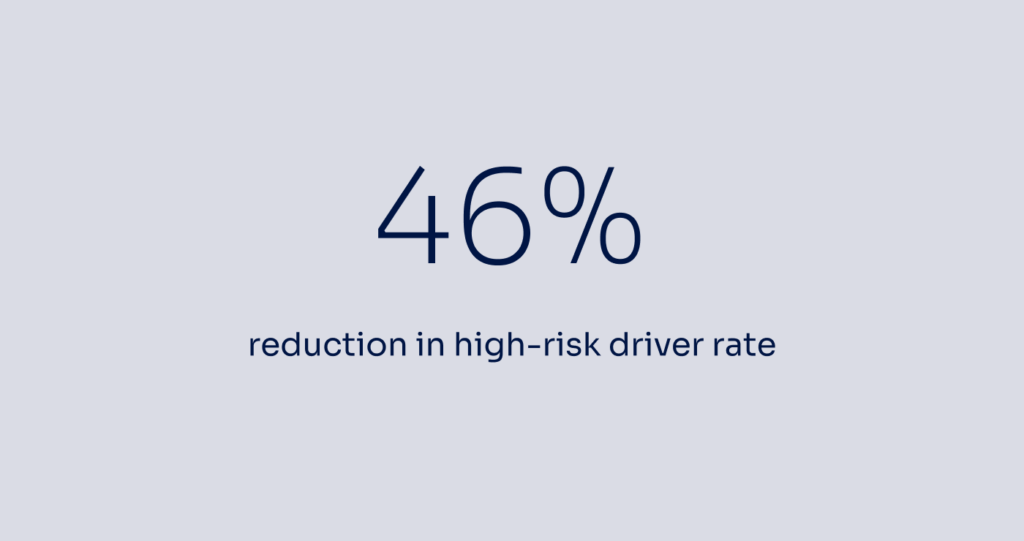
“Drivers are aware that we are monitoring more frequently, and it’s definitely reduced collisions and costs,” Rosemary said.
The impact of MVR Monitoring was overwhelming for the Celgene fleet. Its fleet advisory team and board members gained peace of mind knowing Rosemary could take swift and decisive action when an infraction appears on an MVR record. Overall, MVR monitoring provided a wealth of statistical data on drivers, which allowed her to take a holistic approach to her safety training.
“Having the right tools to manage conditions on the road around them and investing in the drivers’ safety is one of my most important things that you can do to protect your drivers,” she said.
With a lessened administrative workload, Rosemary continued to work with Wheels to build more strategic and proactive safety initiatives. They approved safety kits for the entire mobile workforce. In emergency situations, drivers now have access to jumper cables, reflective triangles, rain ponchos, blankets and first aid materials.
“I have more time to enforce our policies and I can dig a little deeper into our fleet policy to manage changes to reduce costs,” said Rosemary. “I can also now look at implementing programs to reward our drivers to keep a clean driving record.”
The safety implications are clear. The Celgene fleet has fewer crashes with this integrated safety program.