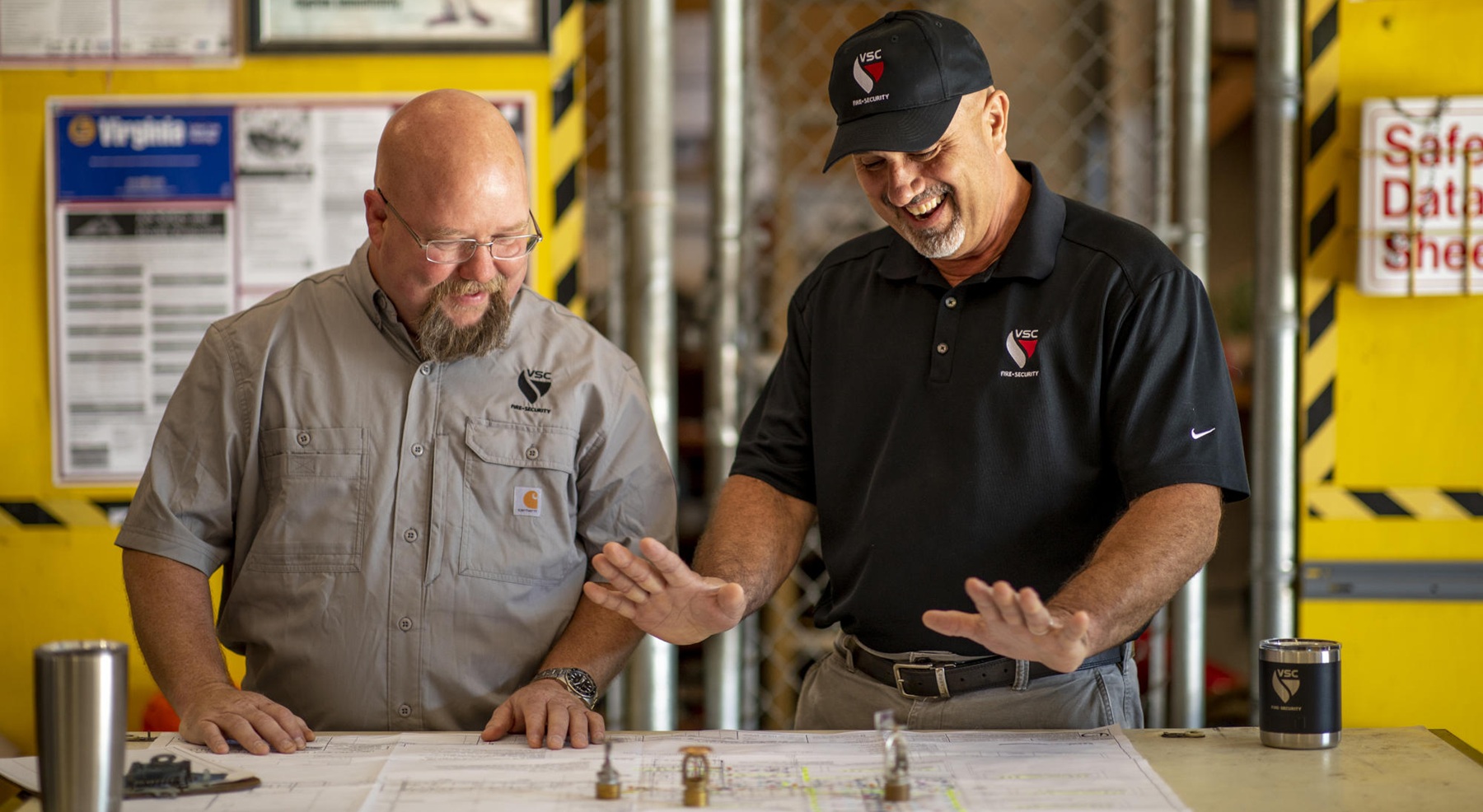
How VSC Fire & Security united multiple fleets, cultures, and locations to become the inaugural NAFA Fleet Safety Award winner.
When VSC Fire & Security was recognized with the inaugural NAFA Fleet Safety Award at Fleet Forward 2026, the honor reflected more than strong safety metrics. It recognized years of work building a safety culture across more than 1,100 vehicles, nearly 2,000 drivers, and more than 35 locations. I’ve had the opportunity to watch that transformation firsthand.
In 2021, VSC was growing quickly through acquisitions. Like many rapidly expanding organizations, many locations had their own processes, expectations, and approaches to fleet management. Creating consistency while maintaining driver engagement was a significant challenge.
Under the leadership of Director of Fleet Services Chad Edmondson, VSC set out to create something more ambitious than a compliance program. The goal was to build a sustainable safety culture from the ground up. Looking back on that journey, there are five lessons that clearly stand out.
Start with leadership, not technology
Many organizations begin their safety journey by evaluating telematics systems, dashcams, or other tools. VSC started somewhere different: leadership commitment.
Chad partnered with the company’s Risk team and operational leaders to establish a shared vision focused on protecting employees and reducing risk. Leadership teams visited locations, spoke directly with drivers, listened to concerns, and reinforced expectations. They positioned safety as a shared organizational value.
Create a single safety standard
One of the biggest challenges facing a decentralized fleet is inconsistency. Separate divisions and locations often develop different safety practices over time.
VSC addressed this challenge through standardized fleet safety policies, clear accountability measures, and consistent expectations across the organization. Drivers, managers, fleet personnel, and risk professionals all understood their roles and responsibilities. Creating a common framework provided the foundation needed to scale safely while continuing to grow.
Use data to coach, not punish
VSC transformed safety conversations from opinion to objective data. Telematics, dashcams, MVR monitoring, driver scorecards, and accident management tools provided greater visibility into driver behavior and fleet performance. More importantly, the technology enabled constructive coaching conversations supported by facts rather than assumptions.
Drivers understood that the goal was improvement, not punishment. That distinction helped build trust and encouraged participation across the organization.
Focus on prevention before incidents occur
What impressed me most was VSC’s focus on identifying risk before accidents occurred. Rather than waiting for a collision to trigger action, the organization used leading indicators to spot trends & near misses, assign remedial training, and provide targeted coaching.
Continuous monitoring and ongoing driver education created opportunities for intervention before risk turned into an incident. This proactive approach helped transform safety from a reactive function into an ongoing business discipline.
Measure success relentlessly
Strong safety cultures are built on accountability, and accountability requires measurement. VSC regularly reviews driver risk classifications, accident frequency, preventable incidents, telematics events, and training participation to evaluate progress and identify opportunities for improvement.
The results have been significant. Today, 95% of VSC drivers are classified as safe drivers. The company achieved a 19.2% reduction in annualized accident rates and exceeded its goal for reducing at-fault accidents, delivering a 42% improvement in performance. Preventable accidents declined, and the organization has continued to build on those gains through 2026.
More importantly, those numbers represent safer outcomes for VSC employees serving customers and communities across the country.
A Recognition of Sustained Commitment
Awards recognize accomplishments, but the most impressive part of VSC’s story is the transformation behind them. For fleets looking to improve safety performance, their journey offers a valuable reminder: lasting results come from creating shared accountability and a commitment to continuous improvement, not simply implementing a program.