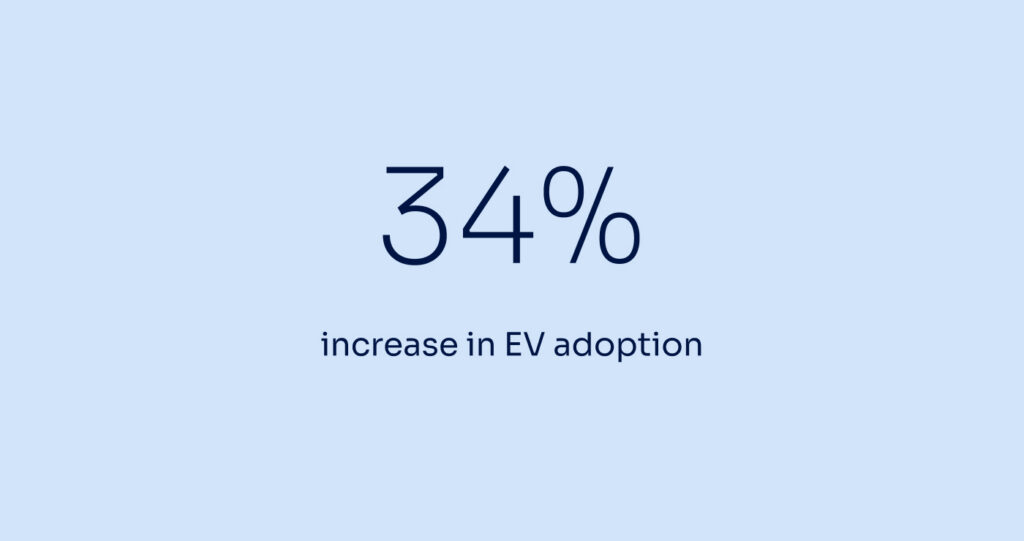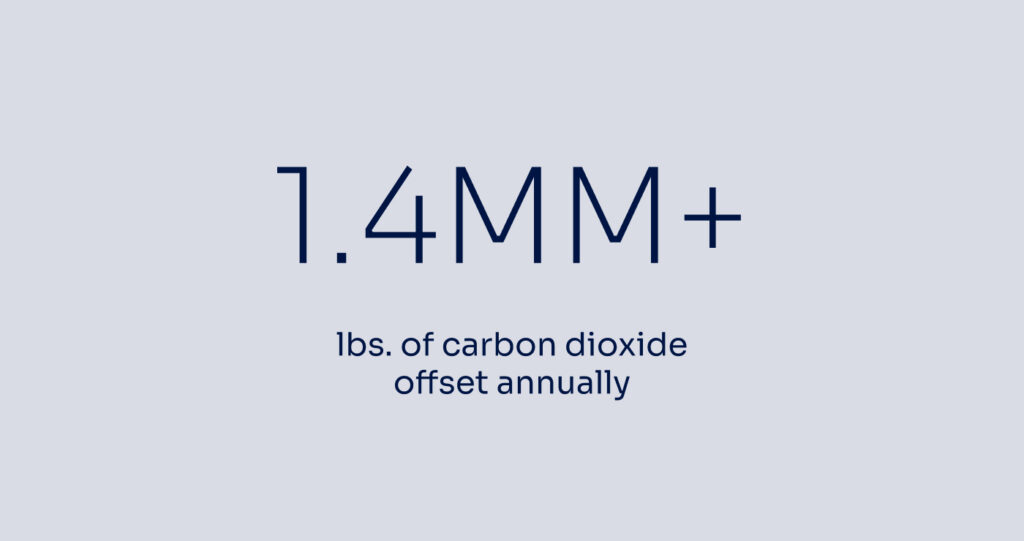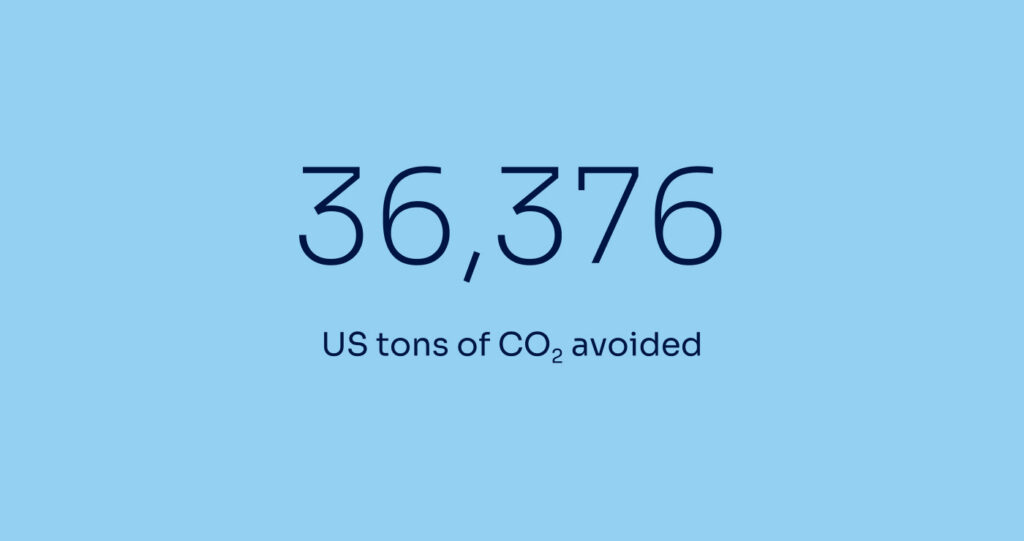
In early 2024, this global leader in hygiene and energy technologies, made a decisive move that distinguished it from the rest of the industry: instead of cautiously testing the waters of electric vehicle adoption, the company plunged into a full-scale transformation. With a fleet of 12,000 vehicles in North America, the organization set its sights on electrifying by 2030, showcasing bold leadership and a clear commitment to sustainability.
Toward an all-electric future
They launched its electrification journey in California, home to 10% of its fleet, with a bold mandate: transition every driver in the state to an EV by the end of 2025, regardless of home charging access. This aggressive rollout demanded not just logistical precision but a cultural shift across the organization.
The fleet, largely made up of service vehicles like heavily upfitted Ford F-150s, posed unique challenges. These trucks carry industrial equipment and require specialized features like liftgates. Partnering closely with Wheels, Ford, and expert upfitters, they engineered a solution successfully integrating liftgates into Ford Lightnings, a solution once deemed unfeasible.
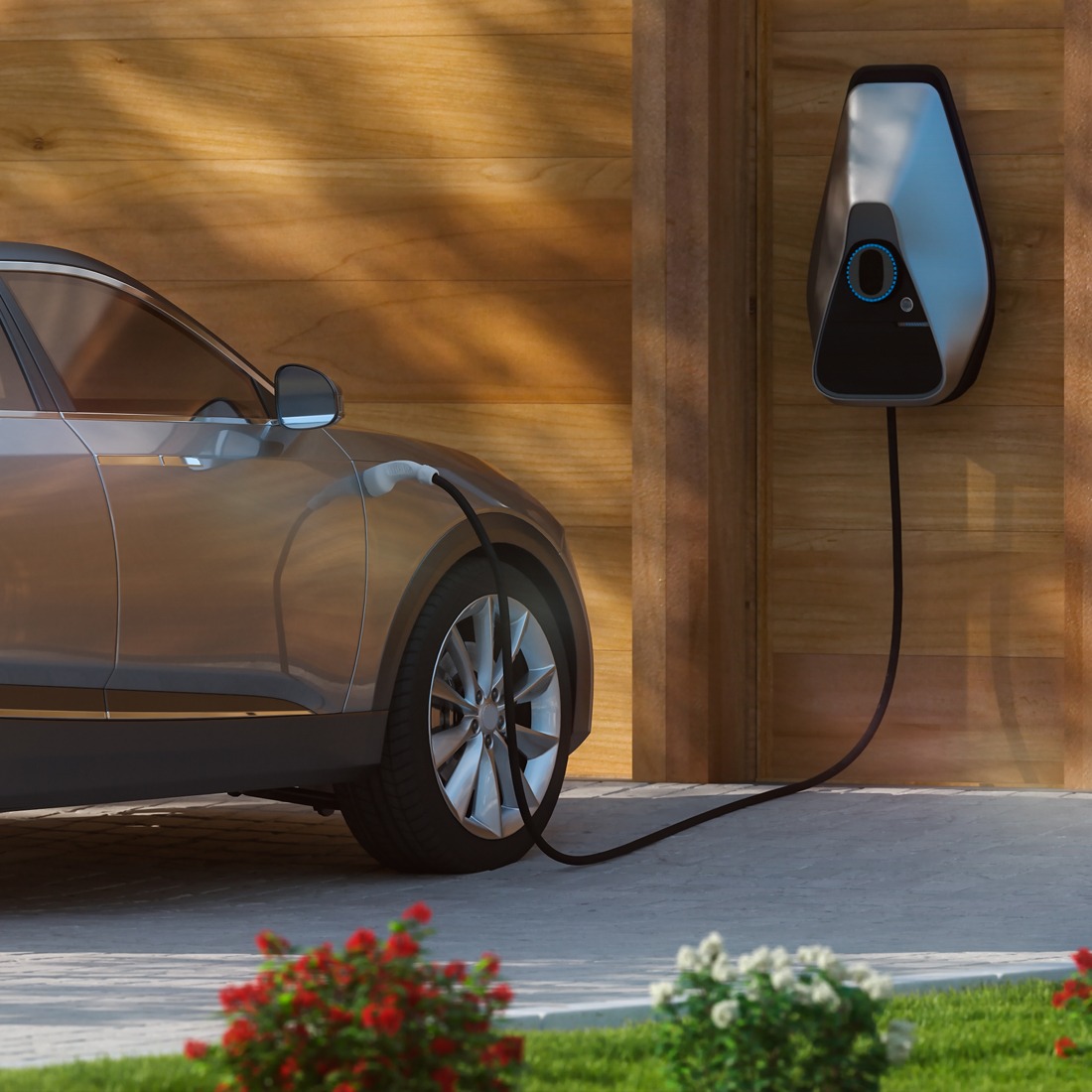
To support the transition, nearly 500 home chargers were installed for California-based drivers. For those without home charging capabilities, the company developed flexible solutions like public charging and vehicle reassignment maximizing asset utilization while clearing the path for EV deployment.
Recognizing the complexity of the initiative, they appointed a dedicated EV project manager to oversee the rollout, supported by a centralized platform that streamlined data, logistics, and reporting, reducing delays and boosting visibility.
In 2025, the organization expanded its transition outside of California, ordering 500 more EVs destined for 40 additional states, focused on sales vehicles.
The Results
By late 2025, they had ordered and delivered 1,500 EV and installed 750 home chargers, with 150 more installations in progress.
This initiative not only reduced costs but positioned this client as a sustainability leader, setting an EV adoption benchmark for service fleets. The strategic pause on service vehicle orders and pivot to electrifying sales vehicles in other states reflects a thoughtful, data-driven approach to scaling while maintaining operational momentum.